What a Refillable Container Changes After the First Use
Refillable container choices depend on design and routine. Learn what to check so the container suits your refill habits and avoids needless washing or clutter.
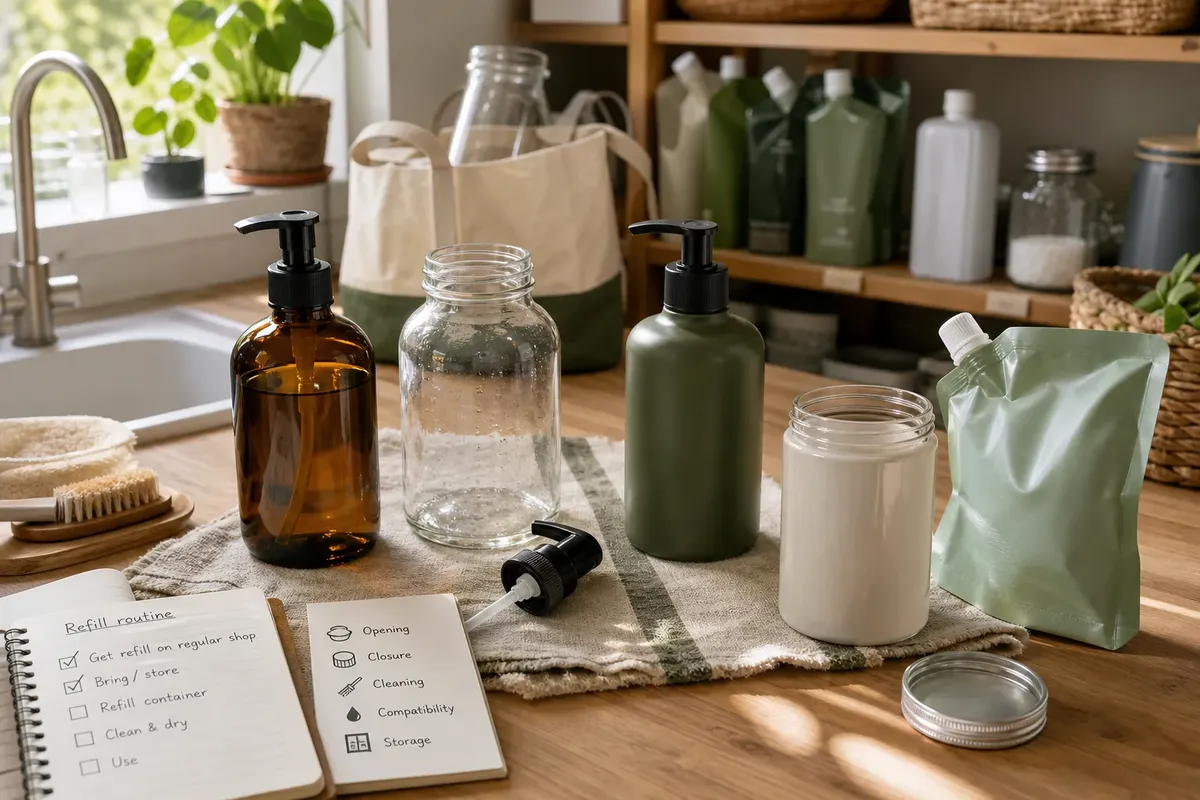
A refillable container earns its keep only if its design suits the way you actually refill it. A bottle that sits empty in a cupboard, or a jar that is awkward to clean, does not become a better choice simply because it can be used again. Look at what changes after the first use: the container’s condition, the refill routine and whether the contents still fit the package.
That makes the decision less about a label and more about your situation. A container supplied with a product, one you already own and one bought specifically for refilling each call for different judgements.
What changes after the first use?
After its first use, a container has a history. It may carry residue, a smell or a worn seal; its shape may make cleaning straightforward or fiddly. Its next use also depends on whether you can get a suitable refill without a special trip or a pile of extra packaging.
Design sets the possibilities. A wide opening can make filling and cleaning easier, while a narrow neck may suit pouring but leave corners difficult to reach. A pump or spray top can be convenient, yet it may be hard to reuse if the mechanism is not designed to come apart or accept a refill.
Habits decide whether those features matter. If refilling is already part of a regular shop, a compatible container may slot neatly into the routine. If it requires a separate journey or you often forget to bring it, the practical benefits can shrink.
Which situation sounds most like yours?
Do you already own a suitable container?
Use an existing jar, bottle or canister if it is cleanable, intact and appropriate for the product. Reusing what is already in your cupboard avoids adding another object before you know whether the routine will stick.
Is the container supplied with the product?
Keep using it if the maker offers a compatible refill and the opening, closure and dispensing parts remain serviceable. Check that the refill format works with the container rather than assuming a similar-looking pouch or cartridge will fit.
Would refilling mean a special trip?
Choose a refill option only if the extra visit fits a route you already make, or if you are comfortable with the added effort. Otherwise, a refillable container may simply sit around while you buy the usual package again.
Does the product need a clean or sealed package?
For food, personal-care products or household liquids, hygiene and compatibility matter as much as the container’s material. Follow the label, manufacturer’s instructions and local requirements where they apply; if those leave a safety question unresolved, ask a qualified professional.
How do you judge the container’s design?
Inspect the parts that shape everyday use, not just the body. Consider whether the lid closes securely, the opening accepts the refill neatly, and the container can be cleaned without a specialist brush or a long disassembly routine.
- Opening: Is it wide enough to fill without spills?
- Closure: Does the cap or pump still work properly?
- Cleaning: Can you reach the interior and let it dry?
- Compatibility: Is there a refill intended for this container?
- Storage: Does its shape fit where you keep the product?
If one part wears out first, ask whether it can be replaced. A sturdy bottle paired with a fragile, non-repairable pump may have a shorter useful run than the body suggests. Conversely, a container with a simple, durable closure may remain useful even if its appearance becomes scuffed.
Say you already have a glass hand-soap bottle beside the sink, but its pump sticks and the narrow neck makes cleaning difficult. You find that a compatible refill is sold at the grocery shop you visit anyway, but the pump is not replaceable. Keeping the bottle may still suit you if you can clean it properly and the pump works; if it continues to clog, switching to a simpler refillable dispenser could make the routine easier to maintain.
How much does your refill routine matter?
Refilling is not a single action. It involves getting the refill, bringing or storing it, transferring the contents and cleaning the container at the right time. A design that makes those tasks easy is more likely to see repeated use than one that demands careful pouring or awkward storage.
Think about where each task happens. A refill pouch that stores flat may suit a small cupboard; a large container may be convenient for a busy household but cumbersome to carry. A refill station can work well when it is already on your regular route, while a distant destination may turn a simple habit into a separate errand.
It is not worth chasing a perfect container through multiple shops or buying accessories before you know what is causing friction. Start with the container you have, then change the part of the routine that genuinely gets in the way.
What should you compare before choosing?
Compare the whole refill arrangement, rather than counting uses in isolation. A container may be durable but poorly matched to its refill; another may be easy to clean and refill but require packaging you cannot use for anything else. Your own pattern of use determines which trade-off matters.
- How often do you finish the product and need a refill?
- Can you obtain the compatible refill during an existing shop?
- Will you remember to bring the container or keep the refill in stock?
- Can you clean and dry the container without undue effort?
- Are the closure and dispensing parts likely to remain useful?
Choose the arrangement that fits your answers, not the one with the most persuasive refill symbol. If you use a product slowly, avoid keeping several containers ready in anticipation; one serviceable container may be enough. If several people share it, a clear refill routine can prevent mismatched products and half-used packages.
What if the refill option does not suit you?
Refillability is a feature, not a verdict on impact. A container that cannot be cleaned, is difficult to refill or has no compatible supply may be a poor match for your household. You can still extend the use of a sound container for another suitable purpose, or choose a package whose normal use and disposal fit local options.
When comparing refillable containers, return to the practical question: will this design work with the refill, cleaning and storage habits you can sustain? The best choice is not the one that promises the most imagined future uses. It is the one you can keep using appropriately, without creating a new chore that sends it back to the cupboard.
Keep exploring

Borrow, Rent, or Own the Occasional-Use Tool?
Borrow, rent, or own an occasional-use tool with a clear way to weigh access, storage, availability…
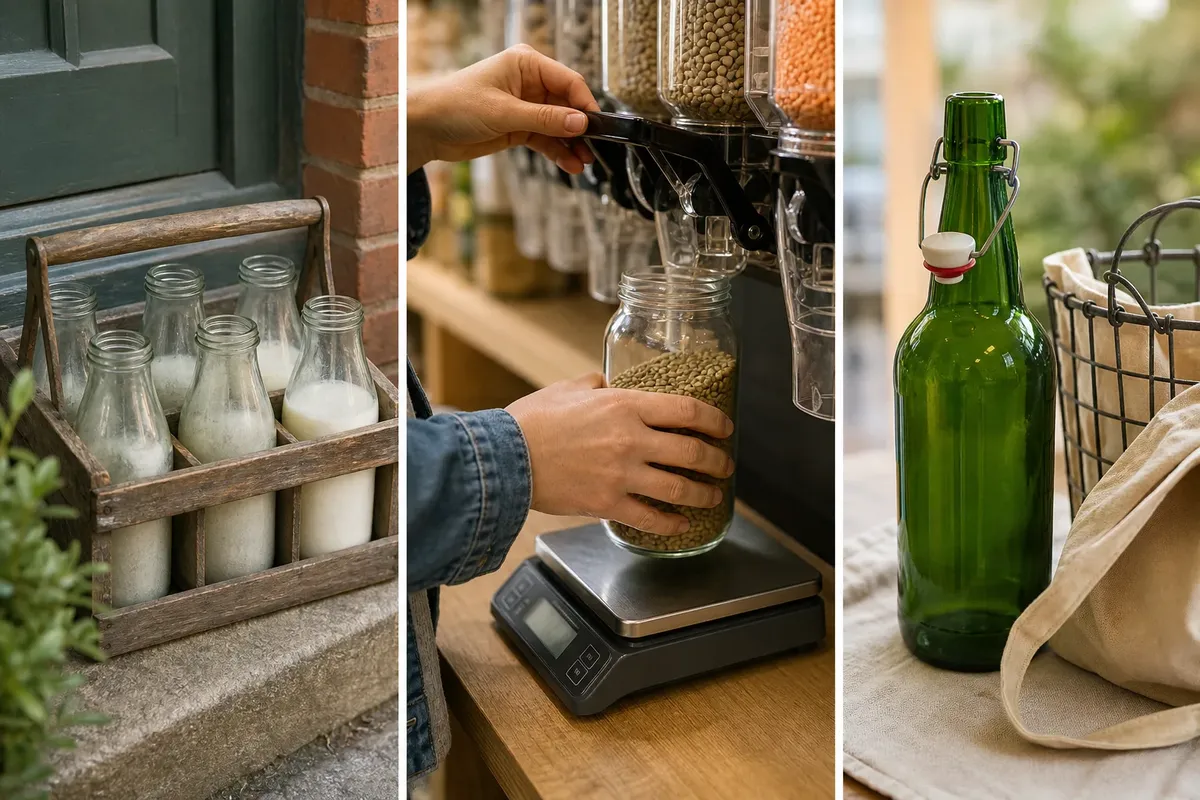
Returnable Bottles and Refill Shops: How Reuse Arrangements Changed
See how returnable bottles and refill shops assign the work of reuse, from doorstep collection to…